
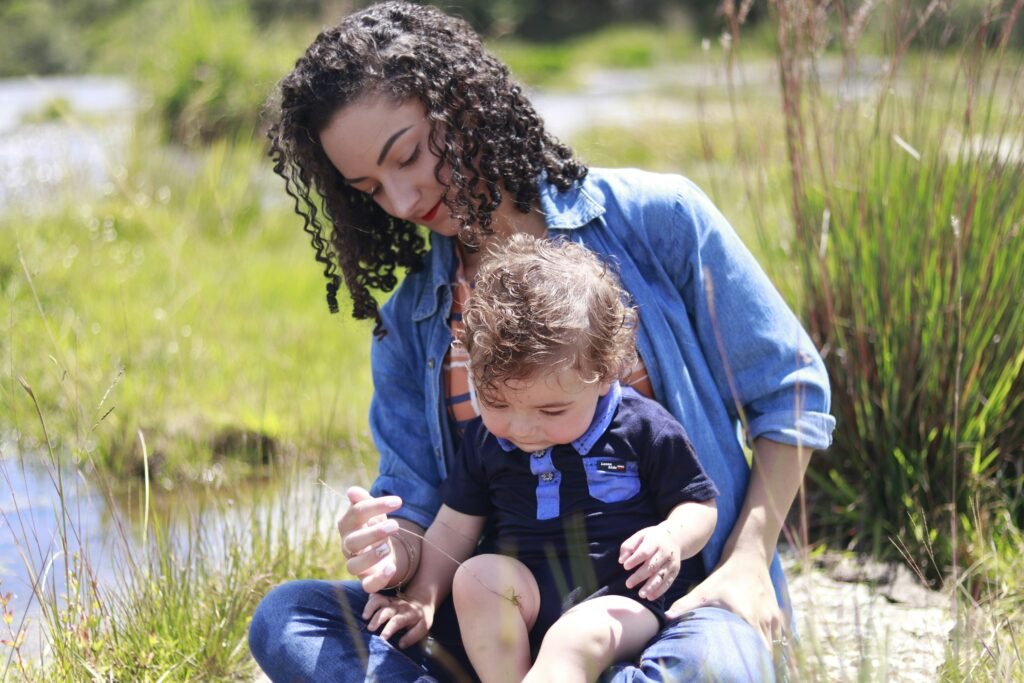
My son has always been a bit of a Velcro baby.
He loves being close to me, and separation isn’t easy for him. When we’re apart, he’ll often call just to say hi, see what I’m doing, or ask to come home.
Understanding the importance of secure attachment in children has helped me appreciate why nurturing our relationship during these early years matters so much.
Over the years, I’ve made some sacrifices to accommodate his need for closeness, including limiting activities I can’t bring him along to and putting certain travel plans aside.
I have to admit, it hasn’t been easy. I miss the freedom to travel, enjoy adult activities, and spend time by myself. But I remind myself that the days are long and the years are short. Before I know it, he’ll be a teenager with a world of his own.
And while I can’t always be by his side, I want to give him as much love, comfort, and reassurance as I can during these formative years.
This is one of the central ideas behind attachment theory: children develop emotional security through loving, responsive, and dependable relationships with their caregivers.
When children consistently receive love and support, they begin to internalize a sense of safety that they can carry with them even when their caregivers are not physically present.
1. What Is Secure Attachment and How Does It Develop?
Attachment theory was developed by psychiatrist John Bowlby and later expanded through the research of psychologist Mary Ainsworth.
Bowlby proposed that children have an innate need to form close emotional bonds with their caregivers. These relationships provide protection and comfort, especially during moments of fear, uncertainty, or distress.
Ainsworth’s research helped demonstrate how sensitive and responsive caregiving contributes to the development of secure attachment.
When a baby cries and someone responds with comfort, when a toddler becomes frightened and a parent offers reassurance, or when an older child comes home upset and finds someone willing to listen without judgment, these experiences gradually build trust.
Over time, through consistent care and support, caregivers become what attachment researchers call a secure base, giving children the confidence to explore the world, knowing they have a safe place to return to.
2. Four Major Attachment Patterns
While consistent, responsive caregiving helps children develop secure attachment, research has also explored what can happen when children’s emotional needs are repeatedly overlooked, dismissed, or met unpredictably.
Over time, children learn what to expect from their caregivers and may adapt how they express their emotional needs accordingly.
In her review of infant-parent attachment research, Dr. Diane Benoit describes four major attachment patterns.
These patterns reflect how children seek comfort and respond to their caregivers within particular relationships. Isolated behaviours, such as clinginess or distress during separation, are not necessarily signs of insecure attachment.
Secure Attachment
Secure attachment is associated with caregivers who are generally warm, attentive, and responsive to their children’s emotional needs.
Children learn that they can turn to their caregivers for comfort when distressed and return to exploring their surroundings once they feel safe.
Anxious-Resistant Attachment
Anxious-resistant attachment, sometimes called ambivalent attachment, has been associated with caregiving that is inconsistent or unpredictable.
When children aren’t sure whether comfort will be available, they may intensify their expressions of distress to maintain closeness.
They may become particularly distressed during separation and have difficulty settling even when their caregiver returns.
Avoidant Attachment
Avoidant attachment has been associated with caregiving in which children’s expressions of emotional distress are repeatedly dismissed, discouraged, or met with limited responsiveness.
Children may learn to minimize their expressions of distress rather than openly seek comfort.
They may appear independent or unaffected during separation, even when they’re experiencing stress internally.
This doesn’t mean they don’t need emotional support. Rather, they may have adapted how they express their needs based on what they’ve come to expect from their caregiver.
Disorganized Attachment
Disorganized attachment has been associated with caregiving that is frightening or emotionally confusing, although other circumstances can also contribute to its development.
When a caregiver is experienced as both a source of comfort and a source of fear, children may struggle to develop a consistent way of seeking reassurance.
They may show conflicting responses, such as approaching a caregiver for comfort while simultaneously appearing fearful or withdrawing.
Research has linked disorganized attachment with greater risks of later emotional and behavioural difficulties, although it does not determine a child’s future.
Attachment Patterns Are Not Permanent
Research on attachment stability and change suggests that while early attachment patterns can persist, they are not necessarily fixed. New relational experiences can help us develop greater emotional security.
It’s also important to remember that building secure attachment doesn’t require perfect parenting. What matters is the overall pattern of love, care, and emotional availability.
For those of us who didn’t experience a secure emotional foundation growing up, part of our healing journey may involve learning to give ourselves what we needed as children. I explore this process in How to Build Emotional Security as an Adult.
3. How Early Attachment Experiences Can Shape Our Adult Relationships
Looking back on my childhood through the lens of attachment theory, I believe I may have developed an avoidant attachment to my mother and a disorganized attachment to my father.
My early experiences with my primary caregivers have greatly influenced what I’ve come to expect from relationships.
I’ve often felt nervous and apprehensive in relationships, avoiding conflict out of fear rather than a genuine desire to maintain harmony. I’ve also struggled to trust others and to ask for help.
These tendencies have had unintended consequences in both my romantic and professional relationships.
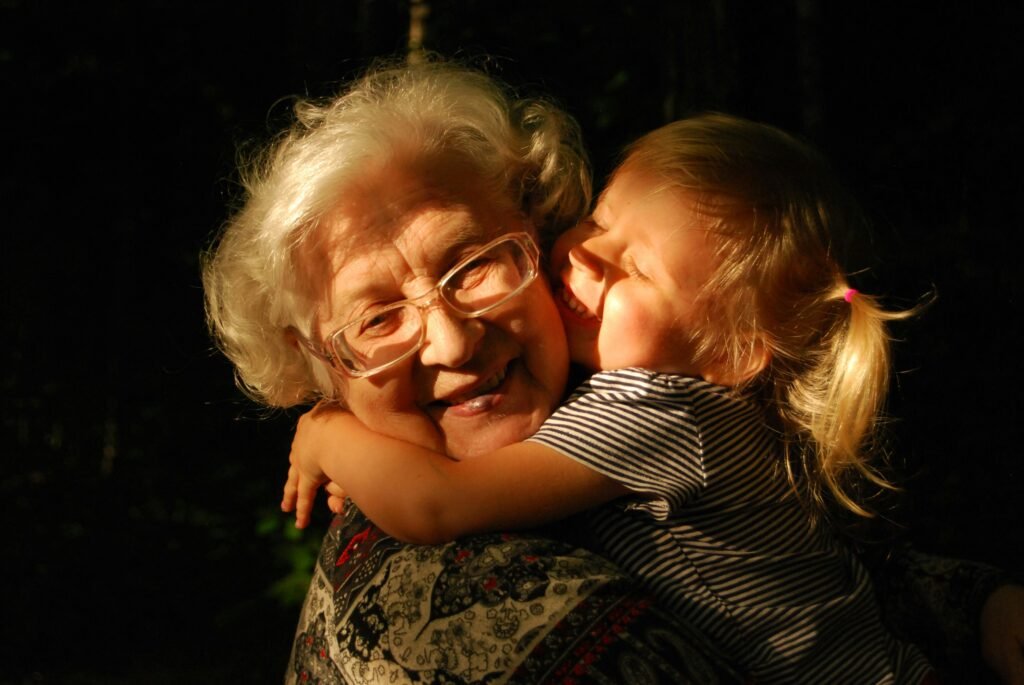
One of the few relationships in which I experienced a sense of emotional security was with my grandmother. When I moved to another country at the age of eight, I lost the everyday comfort and stability her presence had provided.
Yet, even decades later, I still remember the warmth of our relationship. In some of my darkest moments, I continue to draw comfort from the love she gave me.
I carried many of my early attachment patterns into adulthood without even realizing it. It’s taken years of self-reflection and several relationship breakdowns to recognize these patterns, understand what emotional safety actually feels like, and learn to choose healthier relationships.
What we learn about relationships in childhood not only influences how we relate to others as adults but also shapes how we parent our own children.
Perhaps this is also why providing my son with a secure emotional foundation means so much to me.
I want him to enter the world believing that he is worthy of love, that he can express his needs without hesitation, and that relationships can be a source of comfort and strength rather than fear and anxiety.
4. Building a Relationship They Can Rely On
One day, my son may no longer need to be so close to me.
He may become excited about adventures without me, prefer spending time with friends, and develop a world that extends far beyond our home.
I want him to grow into someone who feels confident exploring life, developing relationships, and making his own choices.
But I also hope that, no matter how independent he becomes, he’ll always know he can turn to me when life feels difficult.
That he can share his fears without being judged, make mistakes without fearing the loss of my love, and ask for support without feeling ashamed.
Every time we respond with patience rather than shaming our children, listen rather than dismissing their feelings, or offer comfort when they’re overwhelmed, we’re teaching them what a safe and loving relationship feels like.
And those lessons can stay with them long after childhood.
For some of us, creating this kind of relationship with our children also means healing from our own childhood experiences and learning to offer what we may not have received ourselves.
Investing in our relationships with our children during the early years takes time, patience, and personal sacrifices. But the benefits of building a secure attachment can last a lifetime — for both our children and ourselves.
For our children, it can provide a foundation for emotional security, self-confidence, and healthier relationships. For us as parents, one of the most beautiful rewards may be watching our children grow into independent adults who still find joy and comfort in being close to us — not because they need to, but because they want to.
And no matter where life takes them, they’ll look forward to returning home.

Stay Curious
Enjoy articles about relationships, emotional healing, and parenting? Get the latest from Becoming Curious delivered to your inbox.
Unsubscribe anytime. We respect your privacy.